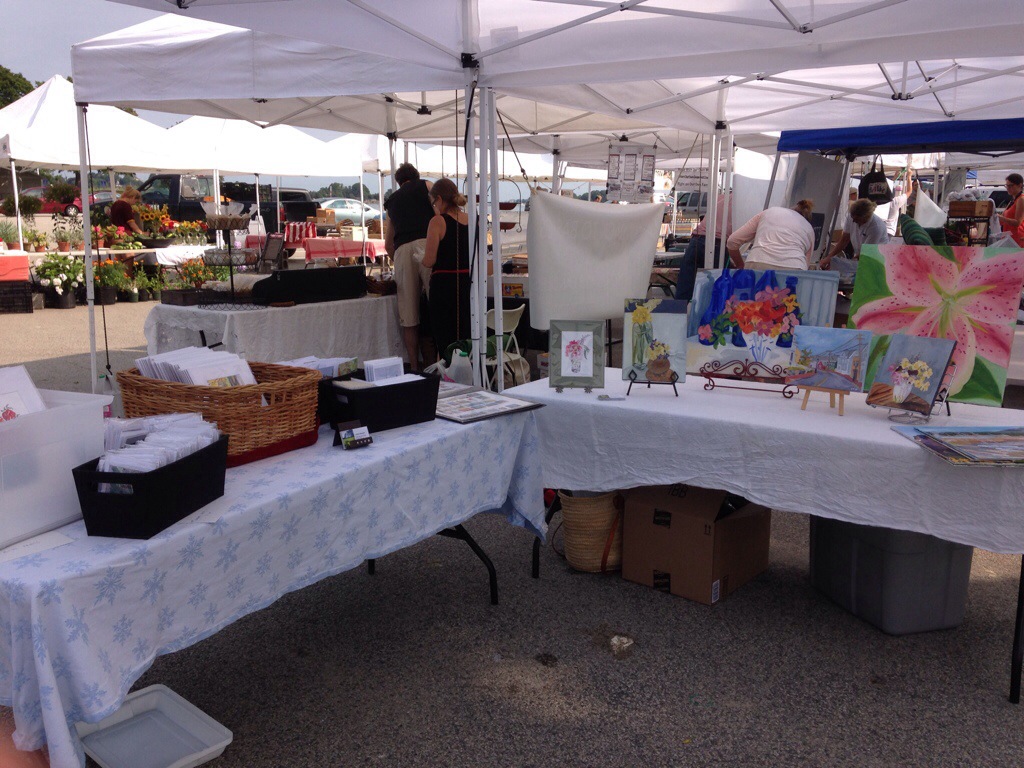
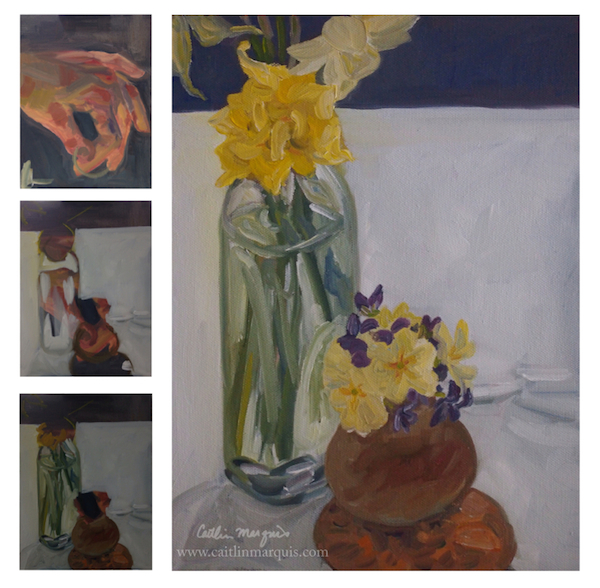
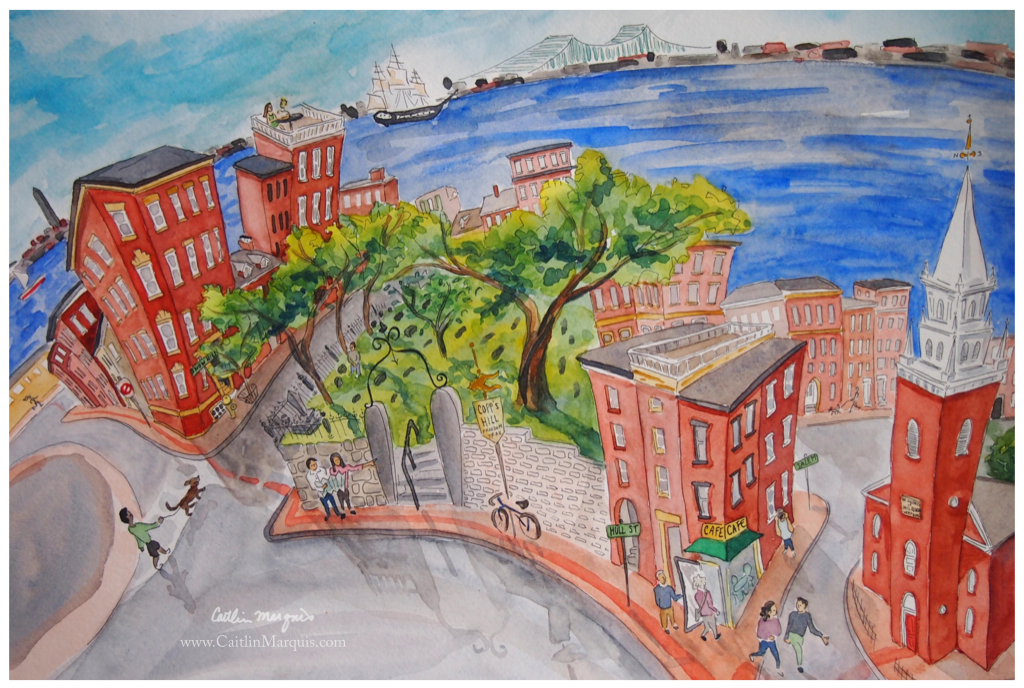
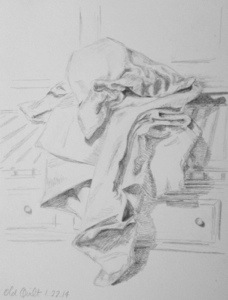
I probably shouldn’t start talking about selling and sharing art by admitting that I’m terrible at sales, but it’s the truth: I clam up in simple conversations that happen anywhere near a product with a pricetag. I probably couldn’t sell a gold ring for $5 to someone actively seeking a gold ring and willing to pay $200.
It’s why I was a terrible waitress (one reason, anyhow), and it’s also why I don’t particularly enjoy selling my art. (To clarify: I enjoy it when people buy my art and hang it on their walls, I just don’t enjoy the sale.)
I first discovered my aversion to selling art when raising money for a roadtrip with a friend soon after college. We were working in Sequoia National Forest and sold small watercolor paintings for $10-30, laying them out in front of us on the ground as we painted at major tourist stops. I certainly enjoyed the roadtrip the paintings bought us, and have to admit that the almost-daily practice of painting-while-selling improved my art. But the selling itself was not my thing; simple eye contact and a smile felt to me like an inappropriately aggressive sales tactic.
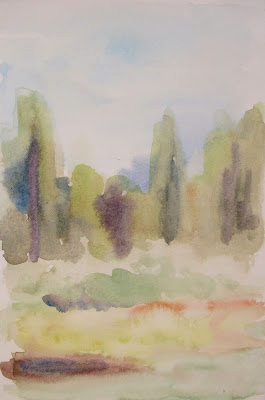
A long-ago sold painting of a meadow near Grant’s Grove visitors’ center at King’s Canyon National Park.
I realize that selling art to unsuspecting RV’ers is not an ideal venue for getting comfortable with a sales pitch (the fact that what we were doing was not technically condoned by the National Park Service did not help). I would love to say that my sales prowess has improved, but alas. The internet allows you to say you sell things without actively trying to sell them (and often without actually selling them).
However, despite my sales aversion, I do know that I make art not just for myself, but also to communicate and to create something that will be appreciated and enjoyed. Whether it’s a purchase, a commission, or even a collaboration that doesn’t involve money, the sale completes the circle. I love creating just to create, but I have learned so much from creating for other people.
Specifically, I’ve had three major lessons come through in a rather orderly manner while working on three projects in the past year.
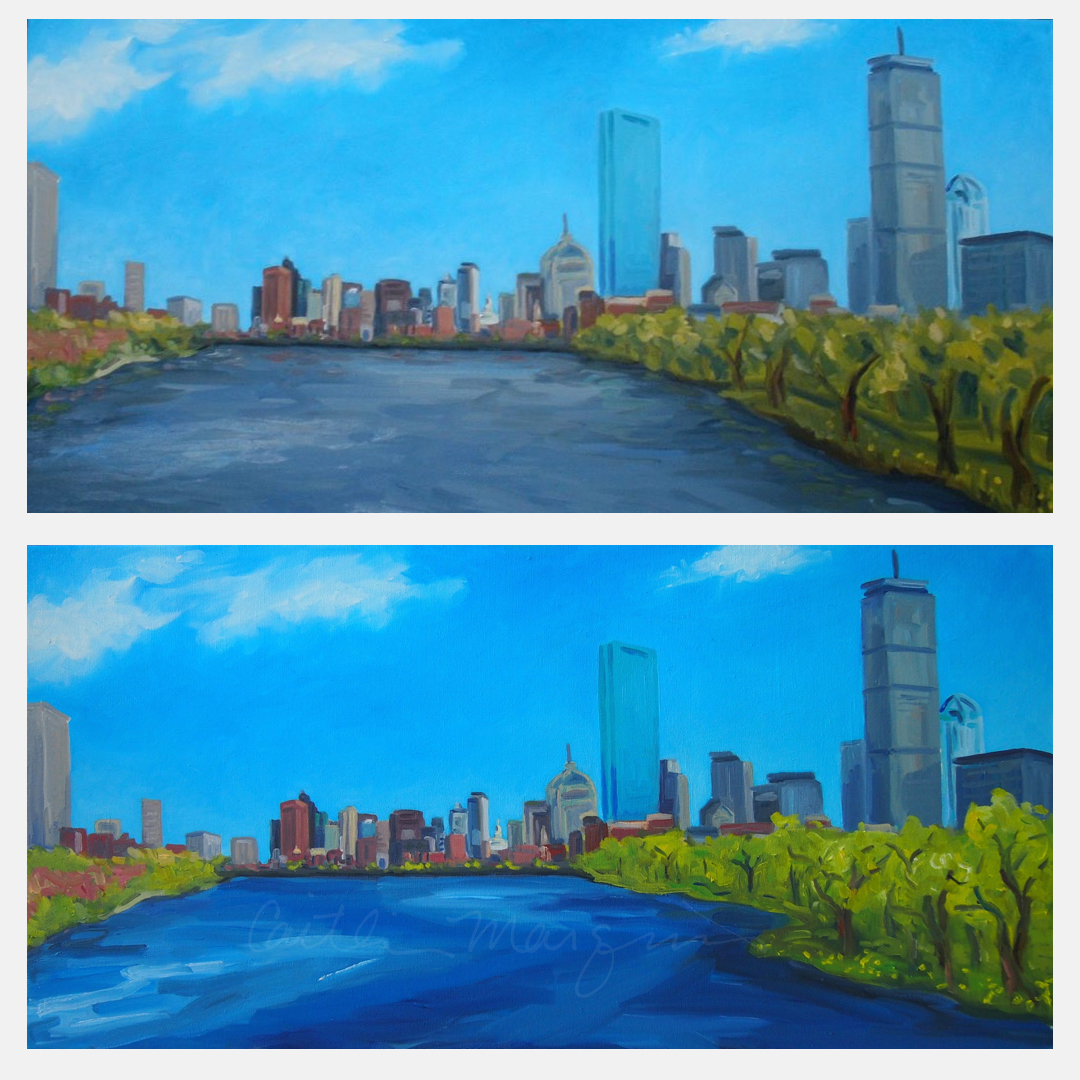
First, I did a painting that pounded into me the value of creative pushback. It’s a lesson I’ve perhaps been a little slow to absorb as a member of the “trophies for everyone” generation. The painting was a commission of a view of Boston and the Charles River as seen by a commuter from the Western Suburbs. I settled on a panorama from the BU Bridge, and sent over photos of a painting that I felt fairly (admittedly not entirely) happy with.
The reaction was not great. Looking at the painting now, I’m not sure why I would have hoped for anything less than “meh, thanks for trying.” The “patron” understandably and astutely requested more drama. Forced to step back, I suddenly saw how flat the painting was.
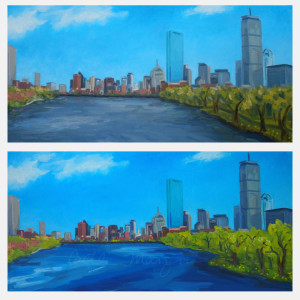
Before (top) and after (bottom). The buildings are mostly unchanged, but the water is drastically different and the trees and sky are more saturated.
How incredibly boring, and how embarrassing that had I actually sent this to someone (even more so that I’m now sharing it with the internet). A few iterations later, propelled by additional layers of creative pushback, I eventually landed on a much more interesting painting. Very obvious lesson learned.
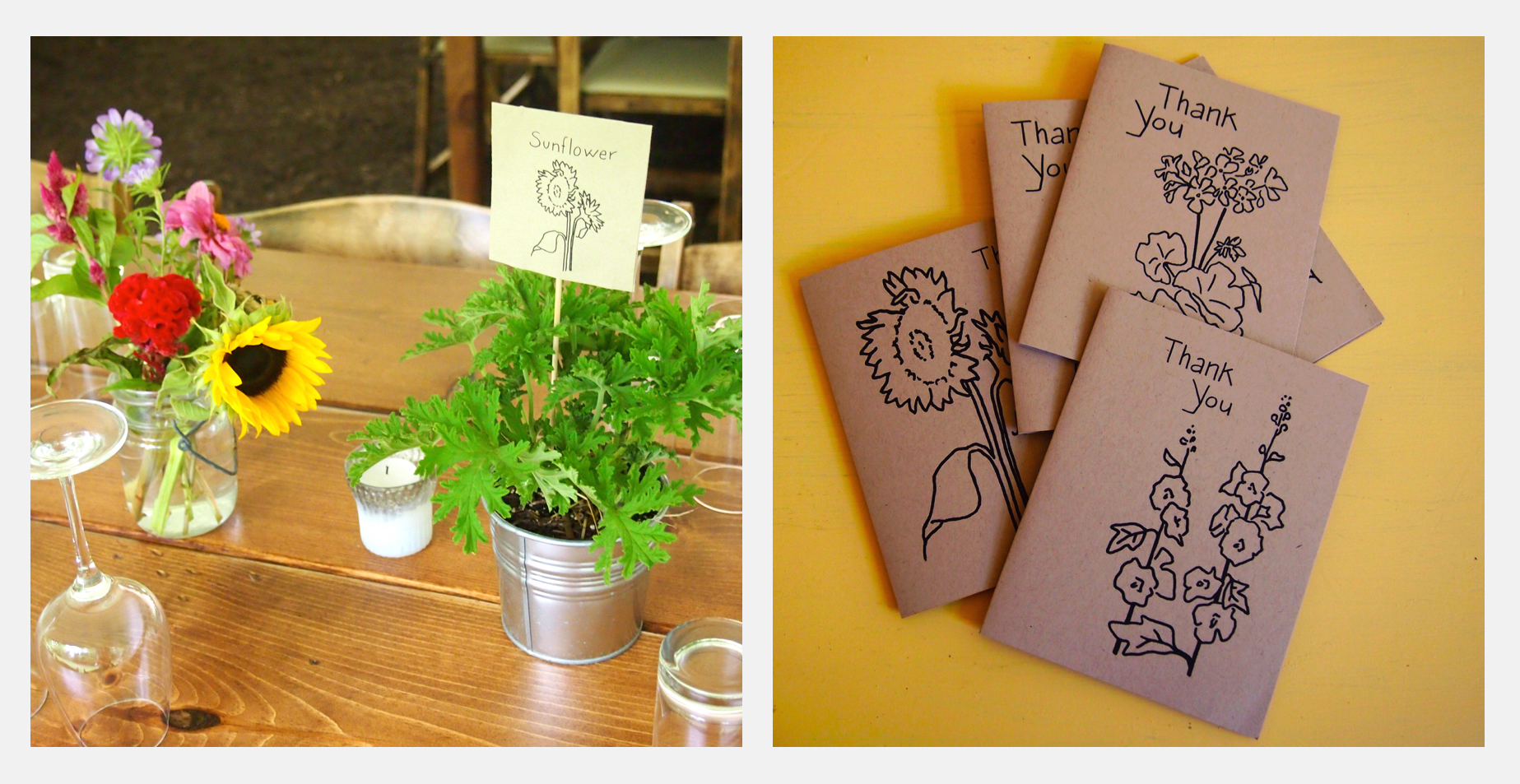
The same year, I volunteered to take on all the stationary for my sister’s wedding. For those not familiar with modern weddings, this involves a “save the date,” invitations, table settings, and thank-you notes (which were actually a surprise gift). My whole family got involved with the save the dates and invitations, but my real pride and joy were the table settings and thank you notes. Not really a chance to apply my newfound appreciation for creative pushback (my family is very supportive), but instead a new and vital lesson on the value of creative boundaries. Given an assignment, I was counterintuitively flooded with possibility. While a blank canvas intimidates, a blank canvas with clear instructions, I found, invites the first stroke. These came out almost effortlessly.
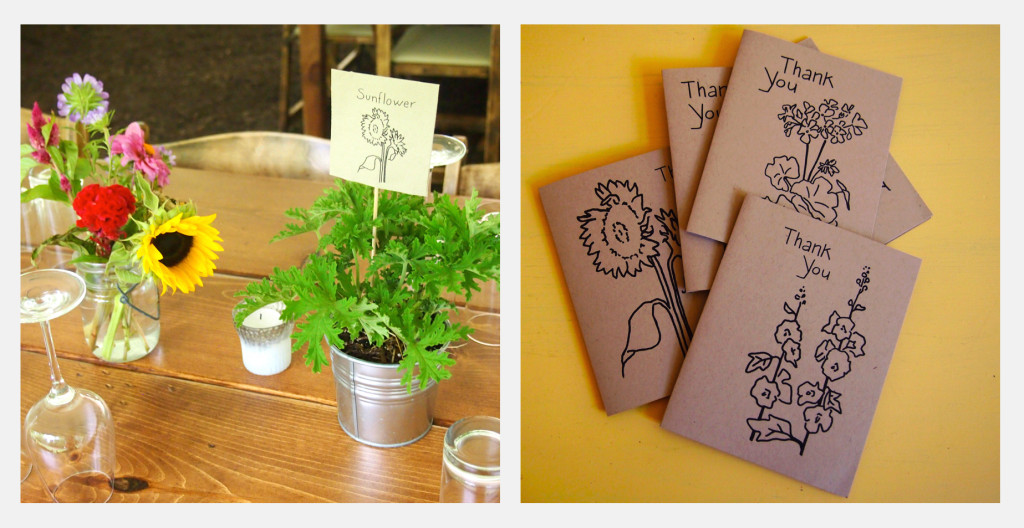
A glimpse at the stationary – available for sale on Etsy.
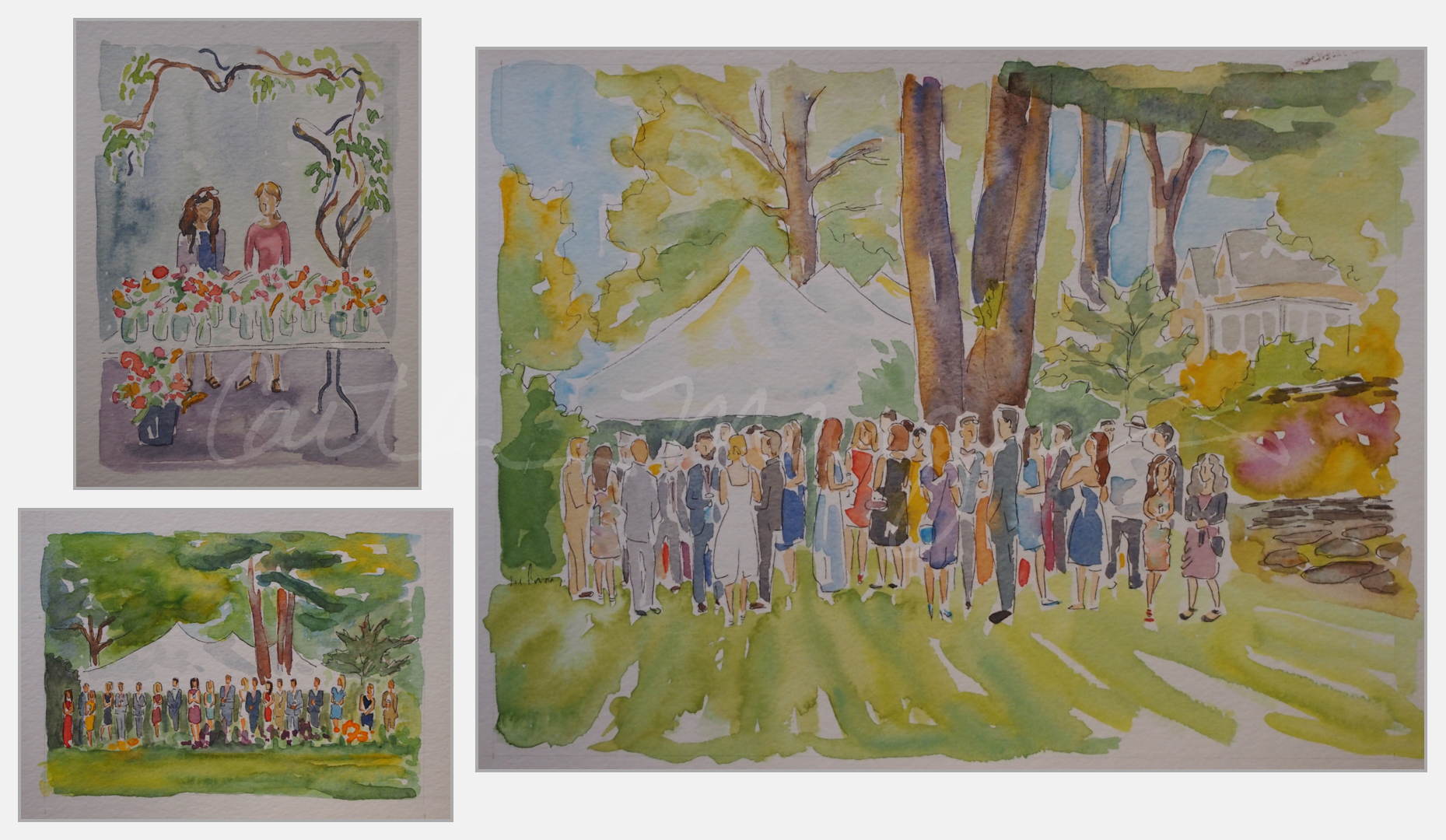
The third project flowed naturally from the wedding: my sister’s new mother-in-law asked me to do a series of paintings based on the event. A few months after agreeing to take on the project, I was scrambling to catch up with the responsibilities of a new job and found myself using the fact that this was a “family commission” with no set deadline as an excuse for procrastination (as if I ever needed one). So I was transferring the project from to-do list to to-do list but making essentially no progress.
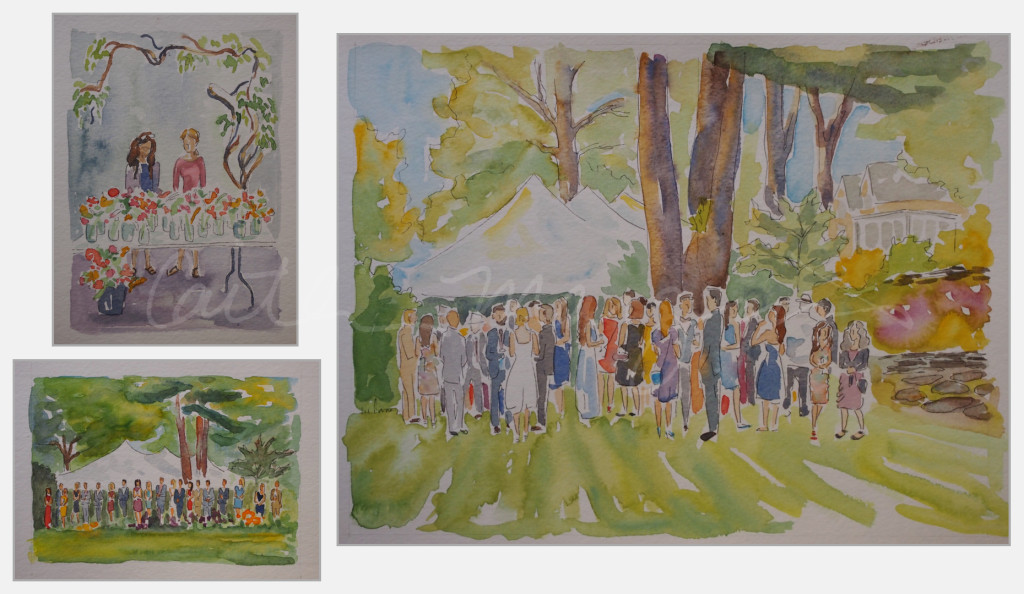
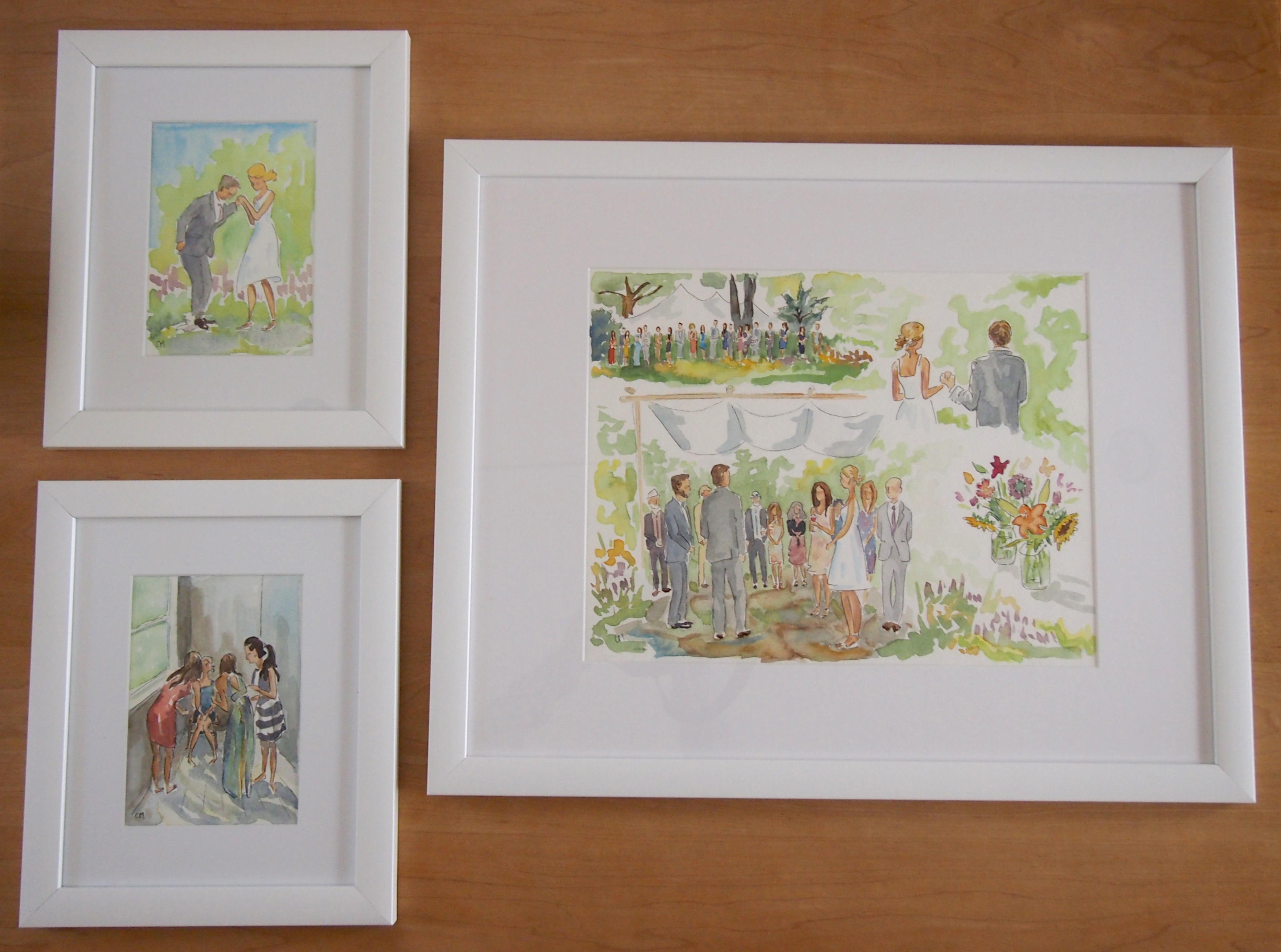
I eventually completed five large and five small watercolors of the preparation, ceremony, and reception.
The lesson here? Just do the work. At first I was intimidated (I usually stick to landscapes, not people), but eventually just committed to one weekend: “This is what you’re doing, Caitlin, so sit down and do it.” Taking a chunk of time for the project forced me to get to a point where I felt good about it. Many subsequent weekends spent the same way, I had a finished product I was happy to frame and deliver.
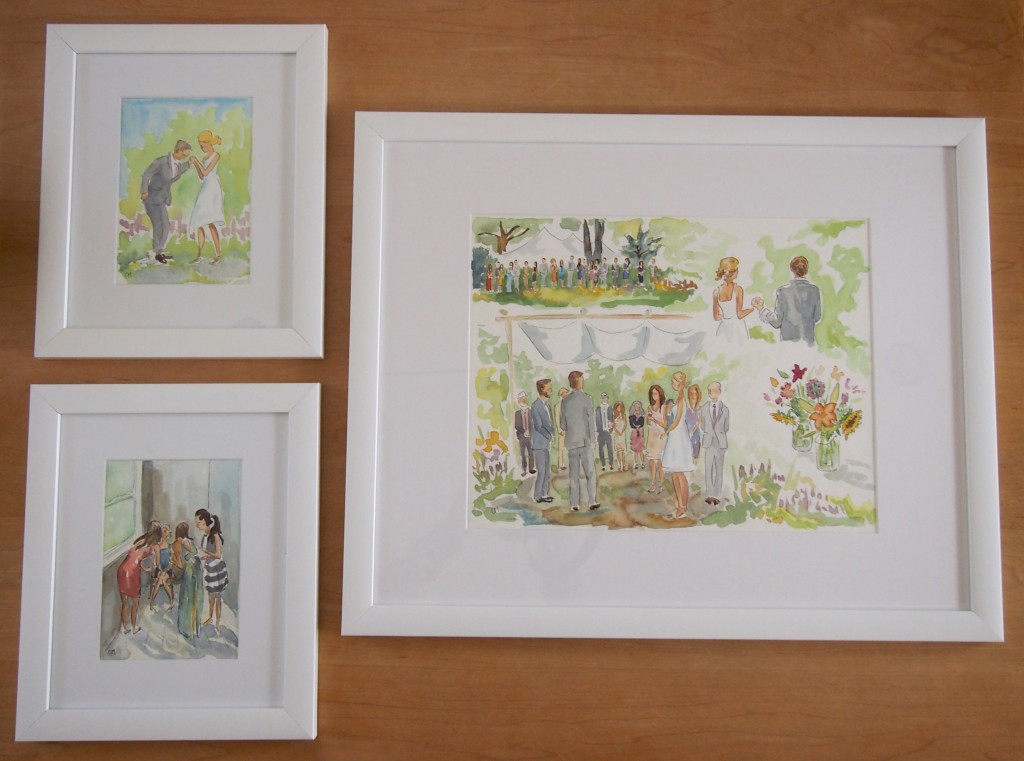
Framed and ready for hanging.
My next endeavor draws on all three lessons; I find myself constantly reminded that creative pushback is incredibly valuable, parameters can be inspirational, and starting something is the only way to finish it.
Right now I’m caught somewhere in the middle of all three, and not ready to post publicly about what I’m working on. I’m trying to keep track of my progress, though, and will post about it in a post-hoc manner. Which, let’s face it, is just how I roll on this blog.
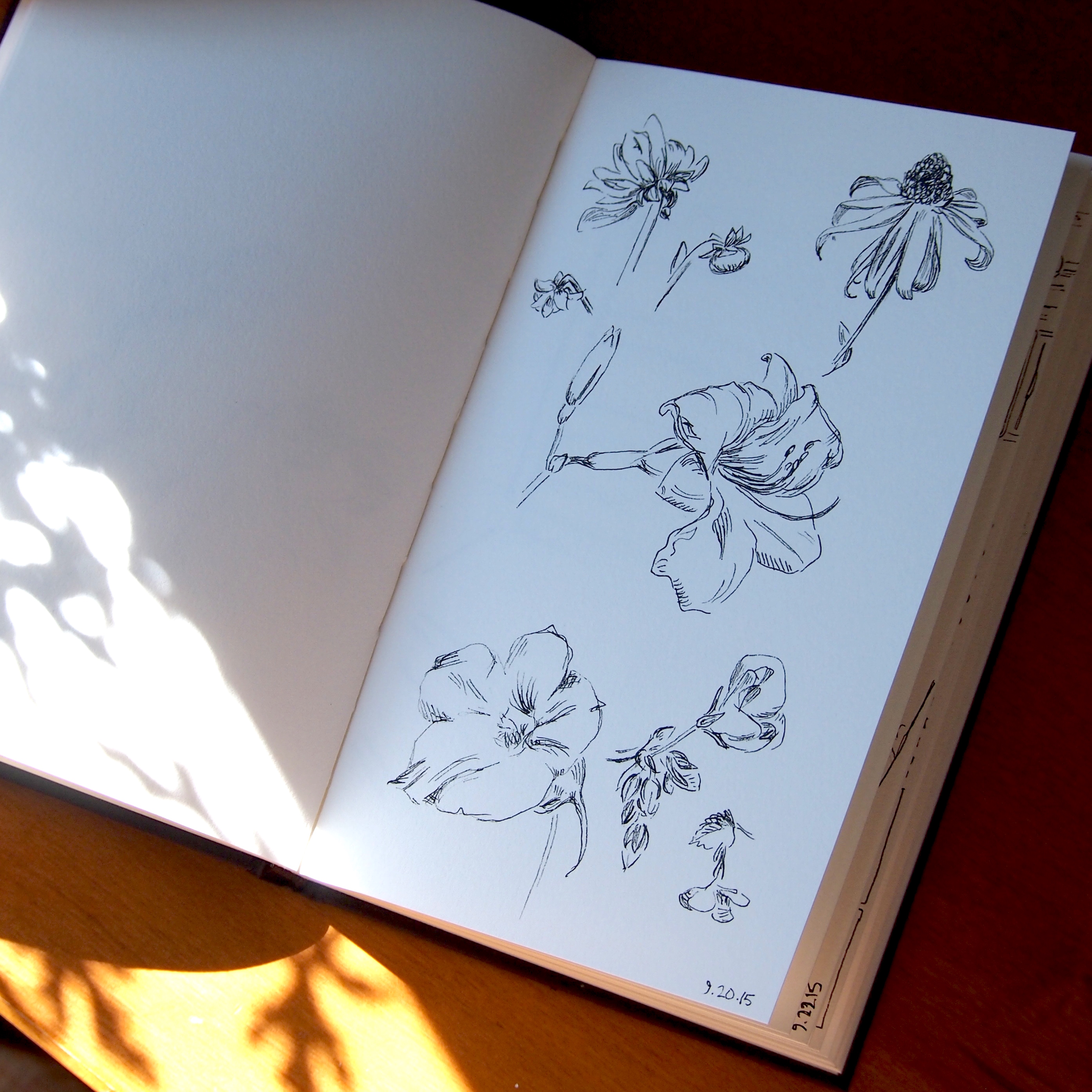
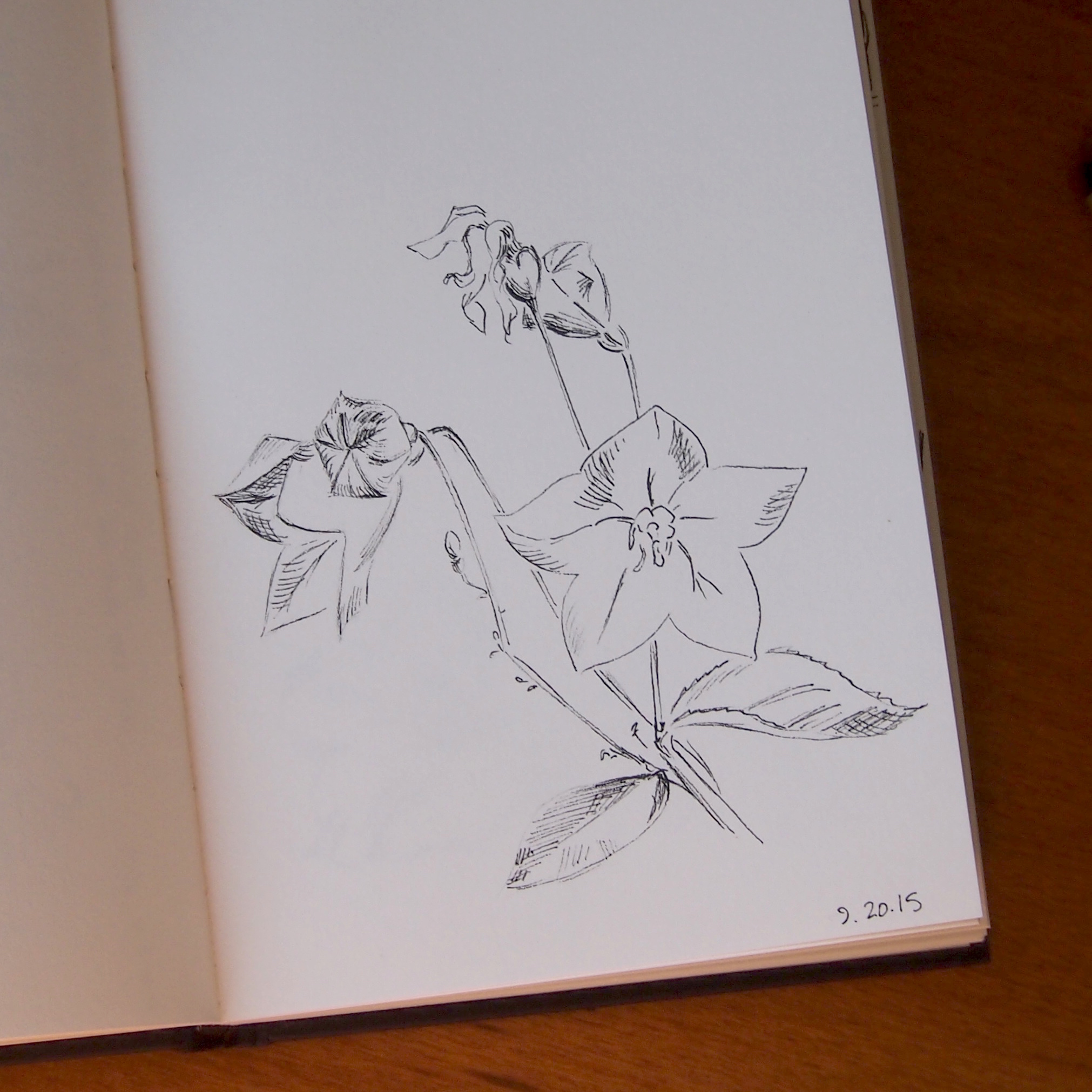
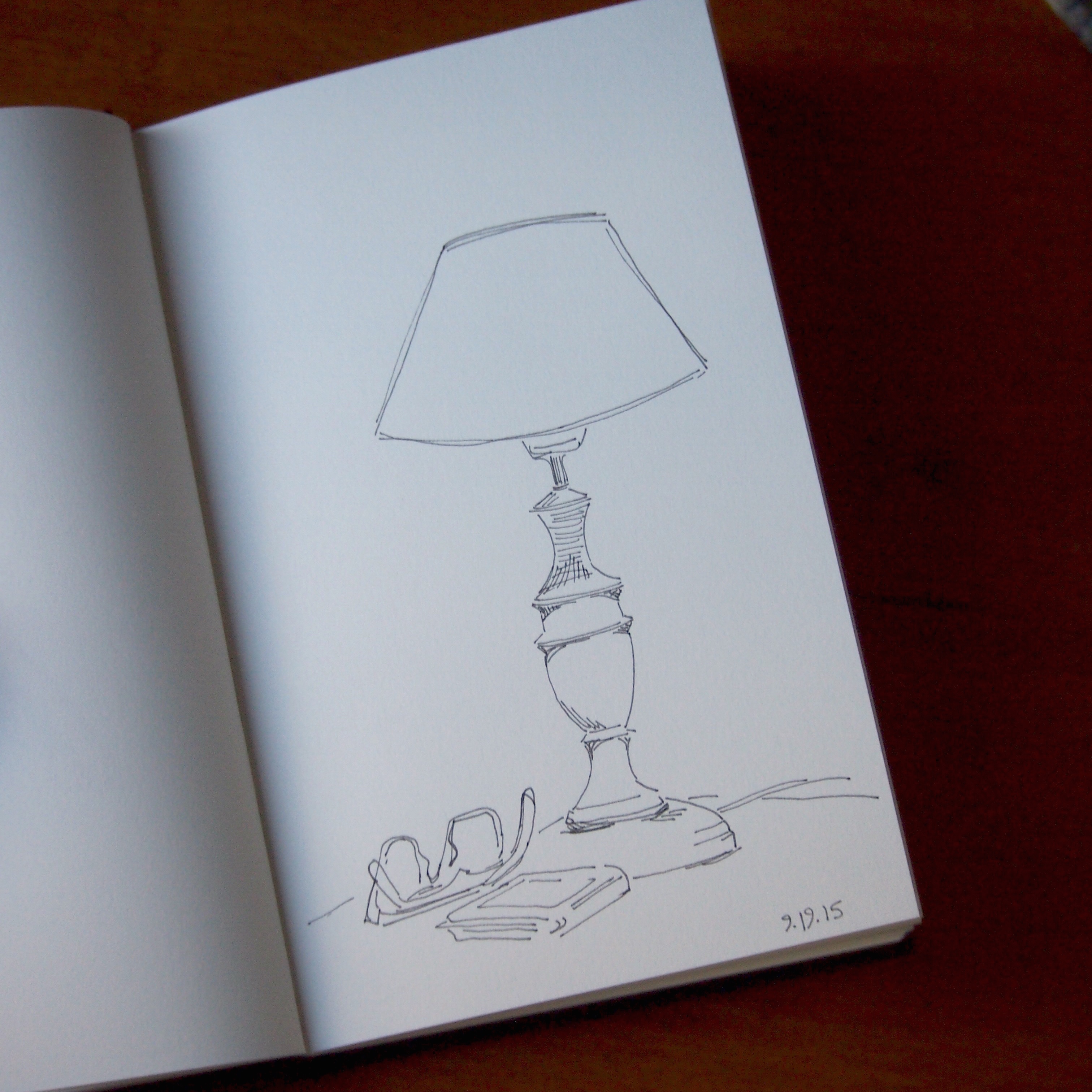
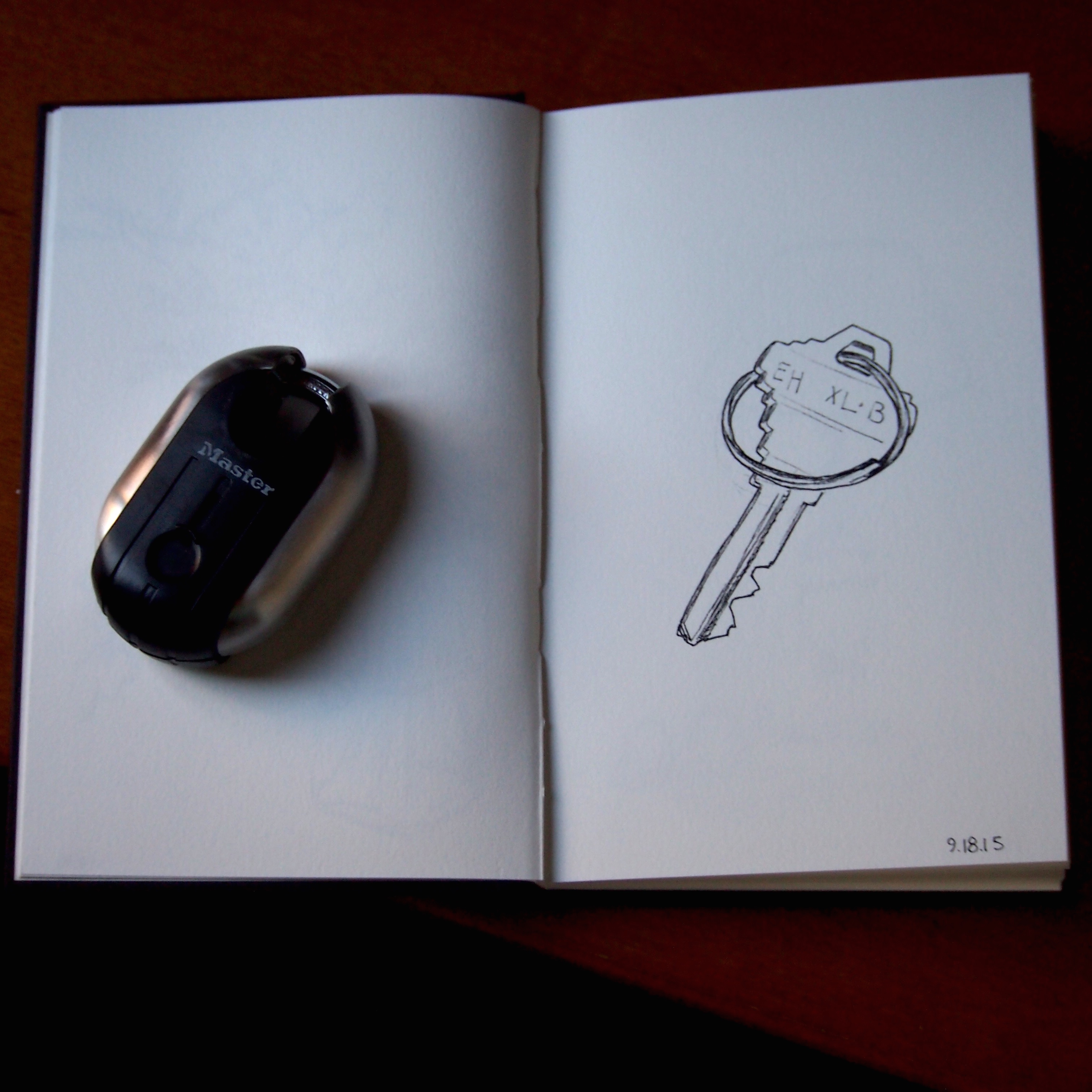
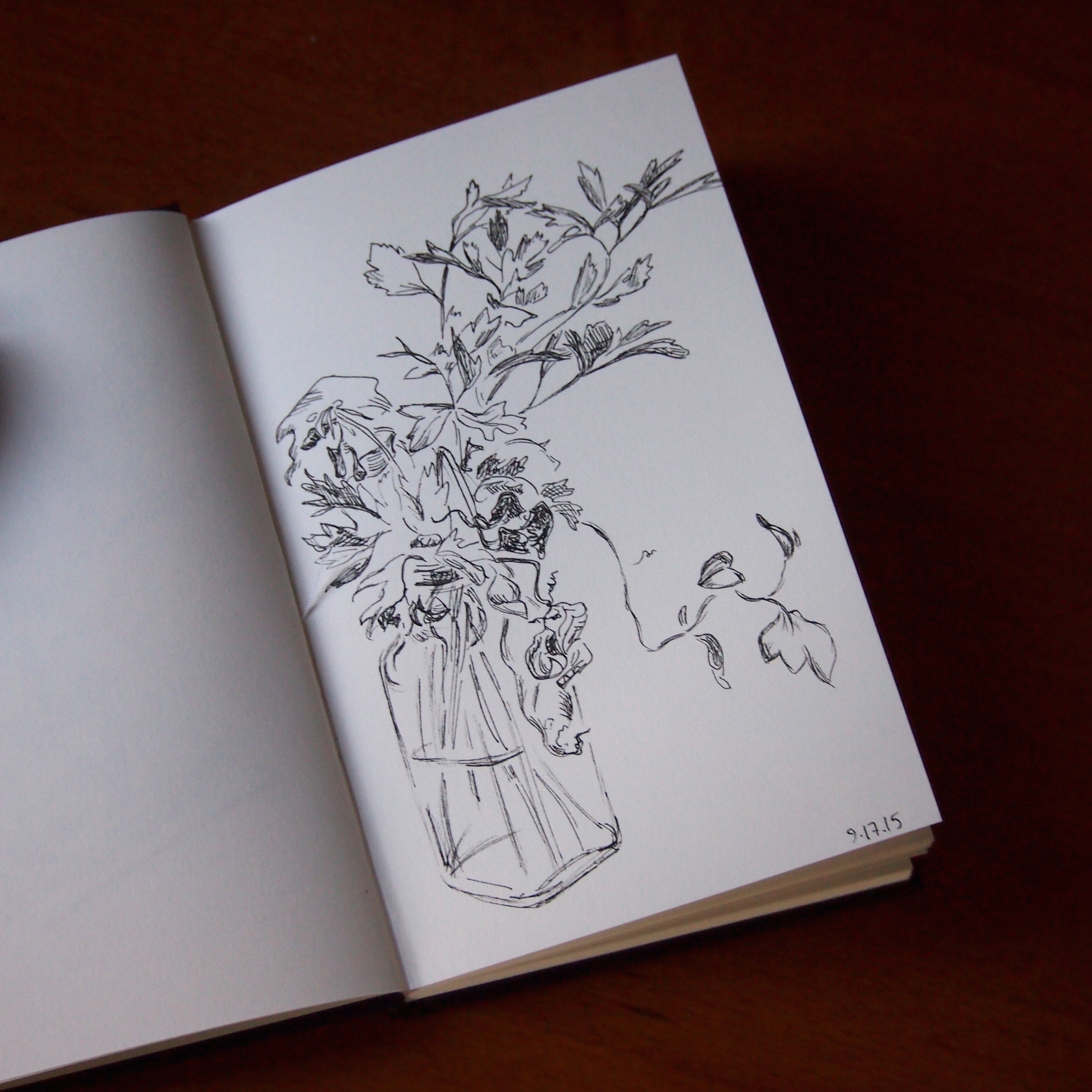
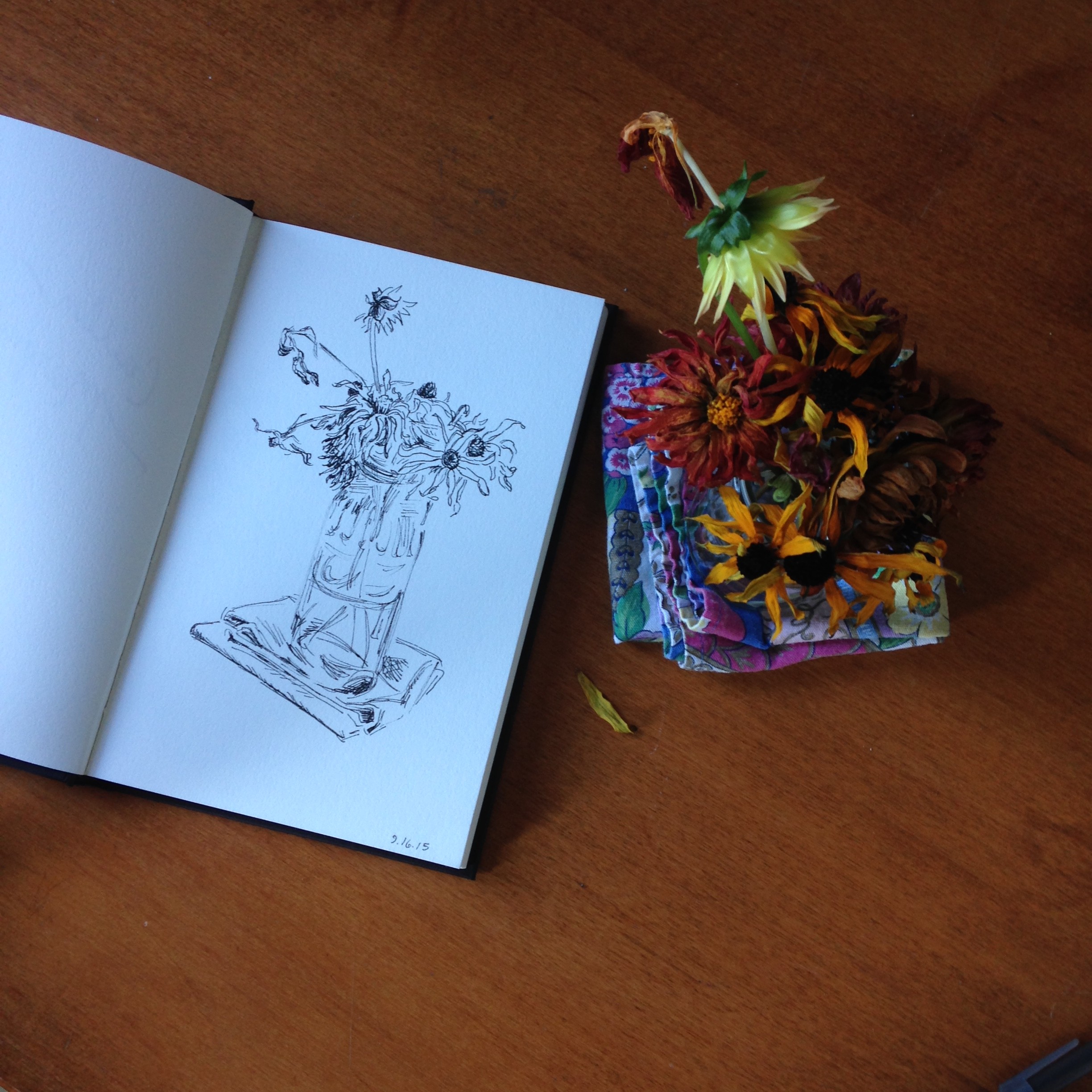
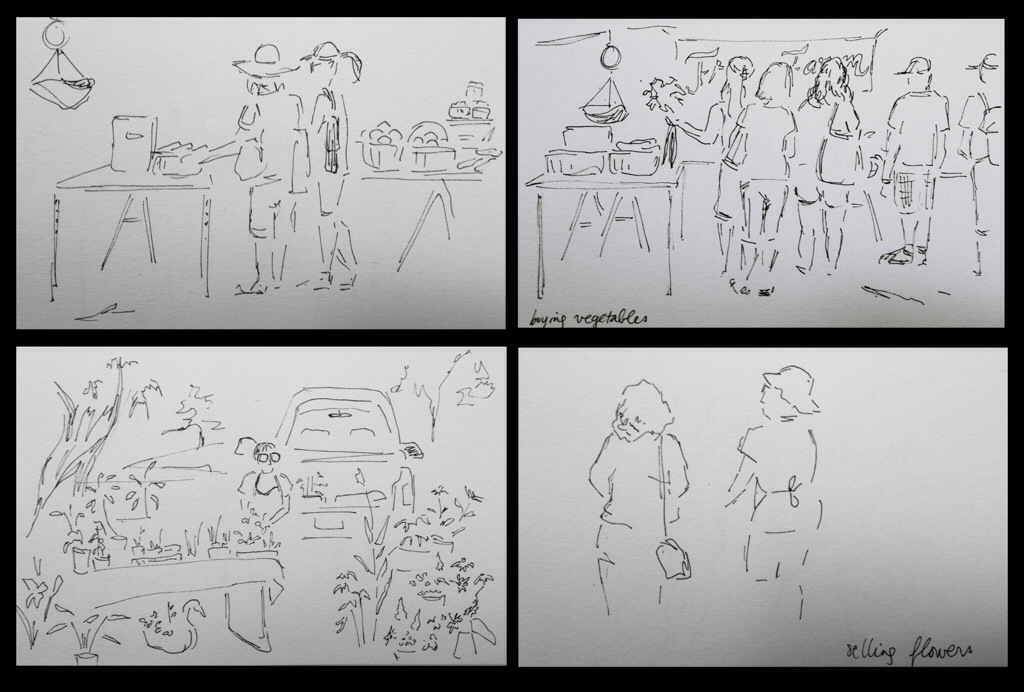
In the meantime, I’m trying to sketch more regularly and will make an effort to post my work – perhaps sharing without selling will prove to be my happy medium.